Video style · Glass product render
Product launch videos in glass and light.
A product launch video introduces one object and the one thing it does. In the glass product render style the object floats in a black studio, strip lights sweep across clear and frosted glass, parts float apart and snap back on a downbeat, and the feature the product is known for becomes light travelling inside it.
- Example
- Aura: Hear the Light, 0:32
- Drawn with
- Code, no footage
- Works on
Last updated
The example, moment by moment
What happens in Aura: Hear the Light
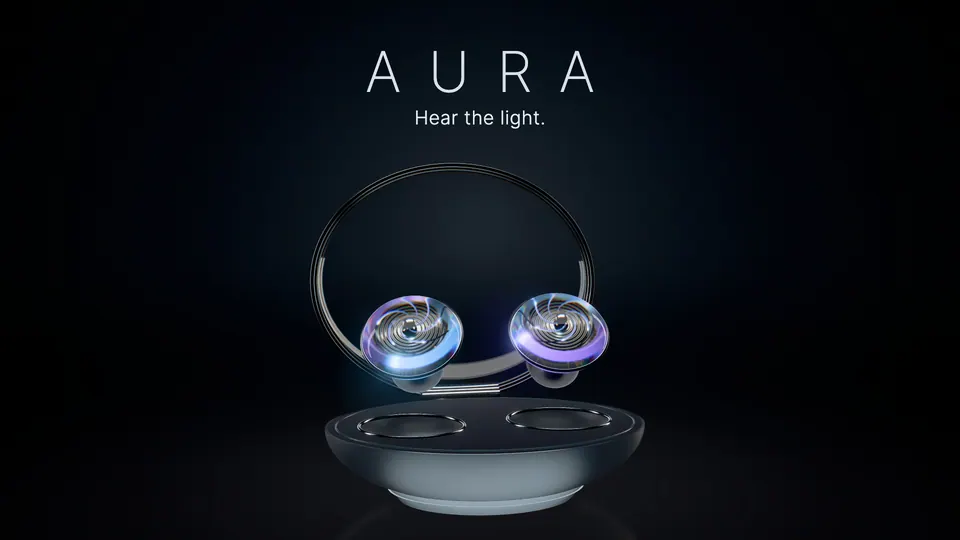
A fictional pair of glass earbuds in a pebble-shaped case is lit from outside in the dark, opened, seen through, taken apart, and snapped together on the drop, when sound becomes light inside the glass.
-
Two light sweeps reveal only the contours of a dark object in a black studio. Nothing is explained yet; the first three seconds are pure curiosity.
-
A high three-quarter orbit while the case lid opens, so the whole object is understood in one move.
-
Macro: the focus racks from the glass surface to the metal band and the parts inside, with a short light sweep on every beat.
-
The exploded view. Parts spread along a diagonal axis, hover for a moment in total silence, then snap together on the bass drop.
-
In the same frame as the snap, the light pattern inside the earbuds switches on: sound shown as light running through glass.
-
A top-down shot of the floor, where each pulse spreads as a ring of caustics, before the earbuds click back into their cradles.
What the glass product render look is made of
- 01
One hero object, black studio
A fictional object of glass, metal and light floating in an infinite dark. No set, no horizon, no hands, so material and light are the only subject.
- 02
Strip lights, not painted highlights
Tall emissive strips behind and beside the object draw a thin white outline with rainbow edges. The sweep is real geometry, so its reflection moves physically across the glass.
- 03
Clear and frosted glass
Clear glass bends what is behind it and splits a sweep into a spectrum at thick edges. Frosted glass glows only when something bright sits inside it.
- 04
The exploded view
Parts spread along an axis at about forty degrees to the camera, drift, and snap back with a very short ease-in exactly on a downbeat.
- 05
Light inside
The invisible thing the product does, sound, charge, data or heat, runs as pulses of light through channels in the object and spreads as caustic rings on the floor.
- 06
Ultra-thin type on frosted glass
Titles in a very light weight with wide tracking in the upper third; subtitles on a slab of frosted glass that blurs the live frame behind it.
Best for
- Consumer tech and audio launches
- Beauty, fragrance and skincare products
- Any product with an invisible feature to make visible
- Teasers and feature reveals
- Trade-show and keynote loops
Not for
- Explainers with a lot of narration
- Warm, handmade or playful brands
- Content that needs people on screen
- Products whose real silhouette must be reproduced exactly
Scene outline
How to make a product launch video in this style
Fill-in scripts: mini story video , product spotlight video
- 1 0–4 s
Contour
Open on a sweep over the dark object. Show shape, not content, and grab attention inside three seconds.
- 2 4–10 s
Open it
One slow orbit while a lid, cap or cover opens, so the viewer understands the whole object in a single move.
- 3 10–16 s
Look inside
Macro and rack focus from the shell to the part that matters, with a sweep on every beat.
- 4 16–22 s
Take it apart
The exploded view: parts drift apart, half a bar of real silence, then the snap on the drop.
- 5 22–28 s
Switch it on
The feature becomes light inside the glass in the same frame as the snap. The name arrives as a title card, always with a verb.
- 6 28–35 s
Settle
The object returns home with a click and a glow, and the camera pulls back to make room for the tagline.
When the launch deserves a dark studio
A launch video has one job: make a new thing feel inevitable. The glass product render does that by taking away everything except the object and the light. There is no set, no hands, no lifestyle footage, so the viewer’s whole attention sits on contours, materials and the single moment when the product switches on. It suits earbuds, watches, bottles, lamps, chargers, anything small enough to orbit and precise enough to take apart.
The style is at its best when the product does something invisible. Sound, charge, data and heat cannot be filmed, but they can run through glass as light. That is the move to build the film around: find the thing the product does that nobody can see, and show it as a pulse.
It is the wrong choice for a long explanation. The voice in this style says three or four very short lines, and the product name always comes with a verb, because a name on its own is misheard. If the launch needs feature-by-feature detail, pair this video with a spec walkthrough.
Writing for light
Plan the beat grid before the script. Every sweep, pulse and snap lands on a beat, and the biggest moment, the snap, needs half a bar of real silence before it. The arc is simple: lit from outside in the dark, opened, seen through, taken apart, snapped together and lit from within, then home. One object, one goal, one turn.
Keep the accent colour to light alone. The world is neutral black, grey and white, and one hue, chosen for what the product does rather than from a brand guide, is spent on emission and caustics only. Dispersion rainbows belong at thick glass edges, never on surfaces or type.
Pacing for social
The exploded view is the shot people replay, so the 9:16 cut should open on it. Keep type in the upper third, large and thin, and leave the bottom of the frame for the frosted subtitle bar. Thirty seconds is enough. A launch film that runs past forty starts to feel like a catalogue.
How OpusCar fits
OpusCar renders scenes from code, so a launch film is a described object, a beat grid and a few lines rather than a shoot. Bring the product, the feature to make visible and the tagline. The script, voiceover, animation, captions and posting schedule follow in one flow, with the same lighting kit on every video in the campaign.
Where a product launch video earns its place
Product launch FAQ
What is a product launch video?
A product launch video is a short film, usually 30 to 45 seconds, that introduces a new product by showing what it is and the one thing it does best, with as few words as possible. It is built for the first days of a launch: the hero on the product page, a teaser on social, a loop at an event.
Why render the product in glass?
Transparency says there is nothing to hide, and glass gives light something to do. A feature the camera cannot film, such as sound, charge or data, can be shown as light travelling inside the object. Dark-field lighting also makes a simple shape look expensive without a single prop.
Can this show my actual product?
The style renders from a 3D model, and the film shown here uses a fictional product on purpose. For a real product you need the rights to its design and a model to render from. Many brands use the style for a teaser that shows the feature as light inside a simplified form rather than the full product.
How long should a launch video be?
30 to 40 seconds with one turn, where the product is taken apart and snapped together. Cut a 15-second version from the snap and the light-up for Reels and Shorts, and keep the title in the upper third so captions never cover it.
More video styles
All 11 styles-
 0:39 Hologram HUD
Product spec walkthrough
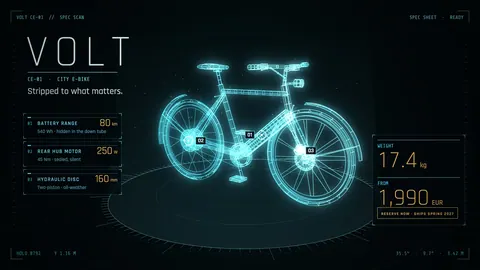
Volt Spec Scan: A fictional city e-bike is scanned into a glowing wireframe; target boxes lock onto the battery, motor and brakes one at a time, each opens to show the part that makes its number true, and the whole thing lights up into a solid hologram and a spec sheet. See the product spec video -
 0:48 Neon tubes
Mascot animation
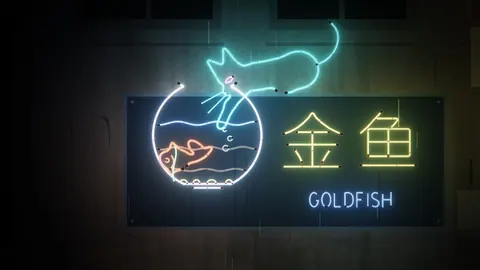
Midnight Snack: A neon cat on a café sign goes out for the goldfish on the sign at the end of the street, cracks its bowl, and runs the fading fish home through the rain to the goblet on its own sign. See the mascot animation video -
 0:59 80s cel anime
Anime-style story
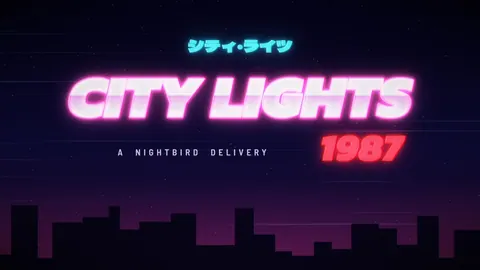
City Lights, 1987: After the rain, a courier nicknamed Nightbird rides a white motorbike across a neon city to deliver a pilot's forgotten cassette to the launch pad before a dawn rocket launch. One hero, one goal, one deadline. See the anime style video
Sign up
Make your first ten videos this week.
Sign up with your email and we’ll get you set up with OpusCar.
We’ll only email you about your account. No spam.