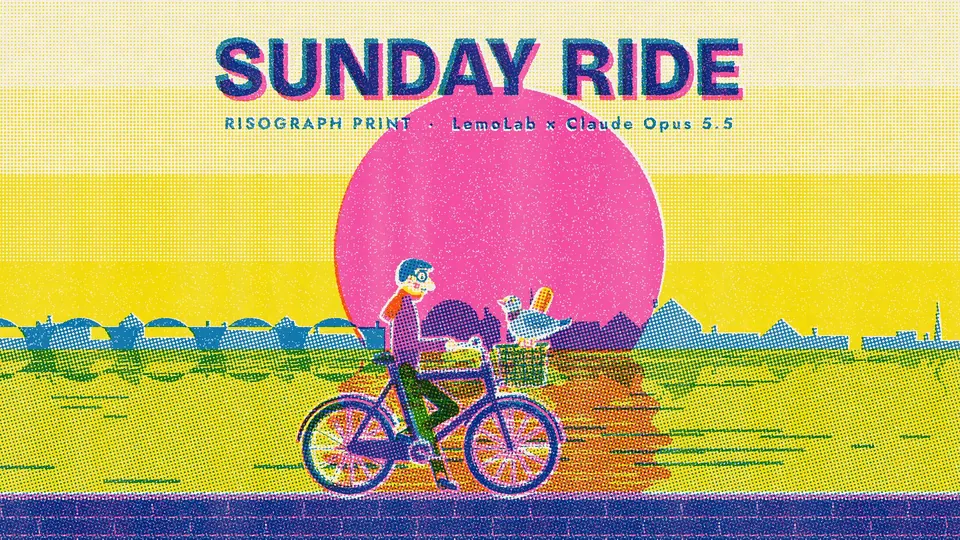
Video style · Risograph print
Risograph animation videos in three inks on warm paper.
A risograph animation looks printed frame by frame on a stencil duplicator: two or three translucent spot inks on warm off-white paper, halftone dots for mid-tones, grain, pinholes and plates that never quite line up. Because each ink is its own plate, adding a colour is a story beat, which makes the style a natural fit for small brand stories.
- Example
- Sunday Ride, 0:40
- Drawn with
- Code, no footage
- Works on
Last updated
The example, moment by moment
What happens in Sunday Ride
A lanky rider in round glasses cycles across town on a Sunday morning to eat breakfast by the river. The city starts in one ink, and each stop adds a plate until all three overprint and the film turns out to be one sheet sliding out of the printer.
-
The city appears in the blue plate only, laid down ink first: a sleepy Sunday morning in one colour.
-
The rider sets off across town. The register kicks on the title beat, as if the sheet shifted on the drum.
-
The bakery brings the yellow plate. A baguette is handed over without the rider slowing down, and the frame gains a second colour.
-
The park brings pink: a burst of pigeons, one of which hitches a ride on the baguette. A pink disc swallows the park and becomes the river sun.
-
By the river all three plates overprint. The water wobbles as separated plates, and a held silent bar drifts out of register before snapping back.
-
The rider shares the bread with the pigeon, and the camera pulls back: the whole film was one sheet sliding onto a stack of earlier prints.
What the risograph print look is made of
- 01
One colour at a time
Each ink is its own stencil with its own drum of translucent ink. Every other trait of the look follows from that one fact.
- 02
A tiny palette
Two or three spot inks on warm off-white paper. Every other colour is an overprint or a tint, and all three inks together approach black.
- 03
Misregistration
Every plate lands a few pixels off, so edges show slivers of paper or a coloured halo, and the drift can kick on a beat or snap back on a downbeat.
- 04
Halftone and imperfect ink
Mid-tones are dots on their own screen angle per plate. Solids have pinholes, streaks along the feed direction and blotchy density.
- 05
Flat shapes, no outlines
Forms are colour fields and silhouettes. A small figure in a large world, staged wide, is the classic composition.
- 06
It is a sheet of paper
The print can be stacked, folded, cut or pinned, and the grain boils gently from frame to frame like a flipbook of prints.
Best for
- Indie, craft and lifestyle brands
- Zines, event posters and small-batch products
- Neighbourhood and local-business stories
- Calm, warm storytelling with one character
- Series where each episode is a page
Not for
- Tech, finance or premium-minimal brands
- Crisp detail or interfaces
- Fast, loud or dark subjects
- Anything that must look photographic
Scene outline
How to make a risograph animation in this style
Fill-in scripts: mini story video , timeline video
- 1 0–6 s
One ink
Lay the world down in the first plate only, the before state, and let the viewer watch the ink arrive.
- 2 6–12 s
The ride begins
Introduce one character with one goal, and kick the register on the title.
- 3 12–20 s
Second plate
The first place visited adds an ink and an instrument. The new colour arrives where the story turns.
- 4 20–30 s
Third plate
The second place adds the last ink and a small surprise. Use an overprint transition: one ink's shape grows over the frame and shrinks into the next scene.
- 5 30–36 s
Full overprint
All plates together at the climax, with a held silent bar where the register drifts and then snaps.
- 6 36–40 s
The sheet
Pull back to show the film as a print sliding onto a stack, with the brand's line as the sheet's caption.
When a brand story wants to feel printed
Some brands are better served by a page than a screen: the bakery, the bike shop, the independent bookseller, the small-batch coffee roaster, the festival that prints its own posters. Risograph is their native medium, and a risograph animation carries the same signals: warmth, imperfection, a human hand, a limited palette chosen on purpose. The ink grain boils gently from frame to frame, the plates drift a little, and the whole thing looks made rather than generated.
The story engine is the plate. In the example, a Sunday ride starts in blue, the bakery adds yellow and the park adds pink, so the day fills with colour as the rider collects it. The same recipe works for a brand: the world in one ink, the product arriving as the second, the community as the third, full overprint at the moment everything comes together.
Leave it alone for anything crisp. Interfaces, specifications, charts and premium hardware need edges that line up, and this style’s charm is that they do not.
Writing for three plates
Choose the inks before the script, because they decide what can be drawn. One ink must carry a silhouette alone. The pairs should mix into colours you need: a blue and a yellow give a green for a park, a pink over a blue gives a purple for dusk. Then assign meaning: what each plate stands for, and which turn in the story brings it.
Write one character, one goal and one small turn. A rider who wants breakfast by the river and gains a pigeon passenger is enough. The style stages comedy small in a wide frame, and the everyday sounds, a bell, a bakery door, wings, are the rhythm.
Save the full overprint for the moment that earns it, and let the register drift in a held silent bar just before, then snap back on the downbeat.
Paper and brand
Paper is warm off-white, never pure white, and paper is a colour: knockouts, highlights and subtitles are made of it. A brand’s colour can be a plate, but keep the ink translucent and grainy. An opaque, flat brand colour turns the print into a vector poster.
How OpusCar fits
OpusCar renders scenes from code, which is how every frame can be re-printed with its own grain, dots and register rather than filtered after the fact. Bring the character, the three places and the three inks. The script, voiceover, animation, captions and posting schedule follow in one flow, and a monthly series keeps the same ink set from page to page.
Where a risograph animation earns its place
Risograph brand story FAQ
What is a risograph animation?
A risograph animation is a video that imitates the look of risograph printing: translucent spot inks overprinted on warm paper, visible halftone dots, grain and slightly misaligned plates, animated frame by frame. It is made in code or by hand rather than on a real duplicator, but it keeps the duplicator's rules.
Why does adding a colour work as a story beat?
Because in riso every colour is a separate pass through the machine, the viewer reads a new ink as a new layer of the world. A brand that arrives as the second plate, or a day that fills with colour place by place, tells its story through the medium itself rather than through narration.
How many colours can I use?
Two or three, plus paper. Pick inks whose overprints make useful third colours, such as blue and yellow for green or pink and blue for purple, and make sure one ink can carry a silhouette on its own. A brand colour works as one of the plates, ideally the one that arrives at the turn.
What length suits it?
30 to 45 seconds for a story with one character and one turn, or a series of 10-second pages that each use a different pairing of two inks, like a zine. Everyday sounds, a bell, a door, wings, give the rhythm, so keep the audio on.
More video styles
All 11 styles-
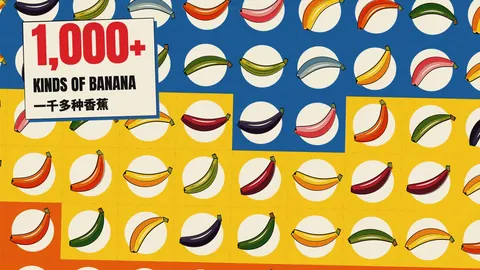 0:52 Pop art
Pop art explainer
The Same Banana: Almost every banana in the shops is one plant, copied. One poster becomes a wall of prints, the old banana's prints are eaten black by dots, and one tile flipping colour turns into a thousand kinds of banana that add up to one giant banana. See the pop art video -
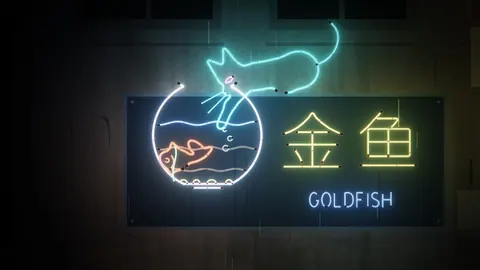 0:48 Neon tubes
Mascot animation
Midnight Snack: A neon cat on a café sign goes out for the goldfish on the sign at the end of the street, cracks its bowl, and runs the fading fish home through the rain to the goblet on its own sign. See the mascot animation video -
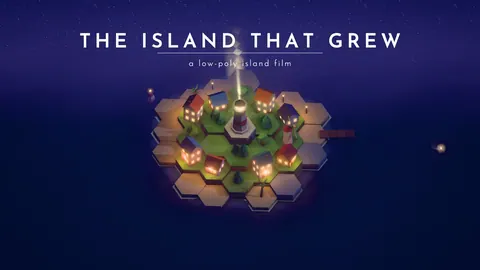 0:53 Low-poly isometric island
Low-poly world
The Island That Grew: An empty sea with a buoy that knows one note. Tiles, trees and houses rise one by one, each landing with a note, so the island and its song are written together, until at night a boat cannot find its way home and the last piece is a lighthouse. See the low poly animation
Sign up
Make your first ten videos this week.
Sign up with your email and we’ll get you set up with OpusCar.
We’ll only email you about your account. No spam.